Finding the Right General Contractor: Tips for a Successful Home Renovation
Finding the most suitable general contractor is essential for a well-executed home renovation. Homeowners often encounter challenges in identifying skilled experts. Defining renovation goals is the first step. After that, they must examine various avenues to locate reputable contractors. Fundamental credentials and effective communication serve vital functions in the hiring process. As homeowners commence on this undertaking, understanding key factors can lead to thoughtful decisions. What comes next may define the entire renovation experience.
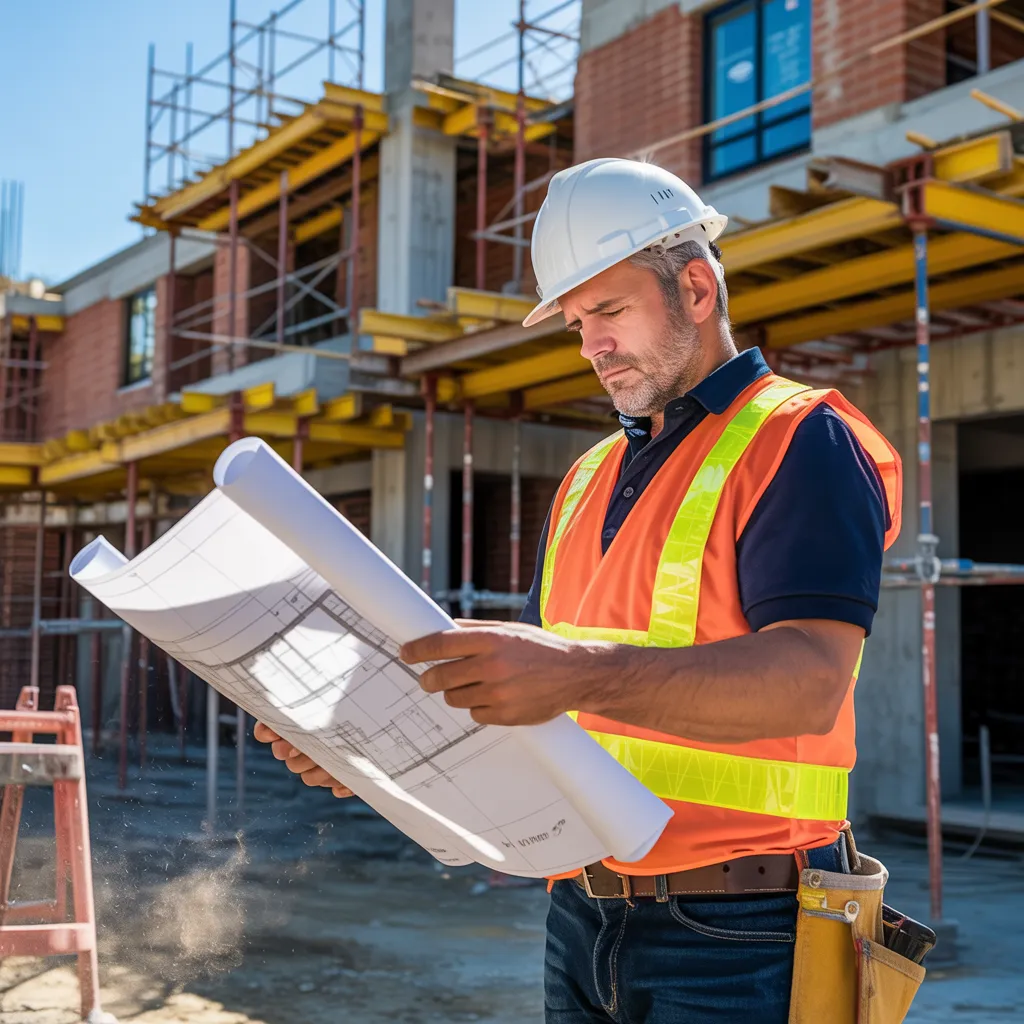
Start by Outlining Your Renovation Goals
When embarking on a renovation project, setting well-defined goals is vital for achieving success. It enables homeowners to communicate their vision effectively, identify and prioritize their needs, and distribute resources efficiently. These goals should address not only visual preferences but also functional requirements, financial limitations, and timelines. By establishing specific objectives, such as maximizing available living space or enhancing energy efficiency, homeowners can develop a comprehensive plan that steers the complete renovation journey.
Furthermore, engaging all key parties during the initial goal-setting stage guarantees that everyone's expectations are aligned. Such a cooperative method prevents misinterpretations and cultivates a feeling of collective direction. Ultimately, precisely outlined renovation targets act as a guiding plan, enabling homeowners to form well-grounded judgments and review possible contractors more thoroughly. Through establishing strong groundwork with defined goals, the probability of a favorable outcome rises significantly, resulting in a rewarding renewal of the home environment.
How to Find Trustworthy Contractors
When searching for reliable contractors, individuals often turn to web-based directories and platforms that feature reviews and ratings. Furthermore, local recommendations and referrals from family or friends provide valuable insights into a contractor's reliability and quality of work. Using these resources together can result documentation in an informed decision-making process.
Digital Directories and Platforms
Maneuvering through the vast sea of online directories and platforms can significantly simplify the search for trustworthy general contractors. Services like Angie's List, HomeAdvisor, and Thumbtack permit homeowners to review profiles, examine testimonials, and assess rankings of various contractors. These platforms regularly provide verified reviews, offering details about a contractor's dependability and workmanship. Users can filter searches based on particular requirements, such as project type and budget. Moreover, many directories provide detailed information about each contractor's qualifications, including licensing and insurance status. By taking advantage of these platforms, homeowners can optimize their search efforts, connecting with a larger selection of potential candidates while securing knowledgeable selections when selecting a general contractor for their remodeling initiatives.
Neighborhood Recommendations and Referrals
How do homeowners go about finding dependable general contractors in their community? One effective method is to seek local recommendations and referrals. Friends, family, and neighbors who have undergone recent renovations can provide valuable insights into their experiences with contractors. In addition, local online forums, community boards, and neighborhood social media groups commonly include discussions and endorsements for dependable contractors. Homeowners can benefit from stopping by local trade supply centers or hardware stores, where knowledgeable employees might point them toward contractors experienced in the region. Visiting home improvement events provides a valuable chance to engage with contractors directly and learn more about their services. By leveraging these local networks, homeowners can enhance their chances of finding a qualified general contractor for their renovation projects.
Critical Credentials to Evaluate in a General Contractor
Every reputable general contractor should have a number of key qualifications that establish trust in their capabilities. Most importantly, holding a valid license is essential; it ensures adherence to local codes and requirements. In addition, evidence of adequate insurance, comprising liability and worker's compensation policies, safeguards both the contractor and the homeowner against unanticipated occurrences during the construction process.
In addition, a contractor should present references from previous clients, highlighting their portfolio of accomplished projects. Certifications from established industry bodies can also reflect specialized knowledge or qualifications in particular construction disciplines.
Furthermore, it is important to confirm that the contractor has a positive standing with the Better Business Bureau, demonstrating their standing within the area. By confirming these professional credentials, homeowners can considerably mitigate associated risks linked to hiring a contractor, enabling a more efficient and more successful renovation experience.
Reviewing Contractor Bids: Critical Elements
When assessing contractor bids, multiple important aspects warrant careful review. Examining project scope information confirms that all aspects of the job are covered, while evaluating material quality estimates can reveal potential long-term costs. Furthermore, a detailed analysis of schedule projections helps in setting practical benchmarks for project completion.
Analyze Project Scope Details
What essential aspects should one review when comparing project scope details in contractor proposals? First, precision in the scope outline is vital; every contractor must supply a thorough breakdown of work to be completed. Next, timeframes should be thoroughly established, including start and completion dates, as well as milestones. One must also examine labor expenses and the size of the crew allocated to the project, because this influences the project's general effectiveness. Beyond that, it is wise to consider how each contractor handles unexpected modifications or unanticipated challenges within the project scope. Finally, understanding payment terms and conditions can prevent surprises later on. By concentrating on these factors, homeowners can make informed decisions when selecting the right contractor for their renovation needs.
Evaluate Material Quality Estimates
Assessing estimates for material quality is vital for homeowners and renovators looking to ensure the durability and aesthetic appeal of their renovation projects. When analyzing contractor estimates, it is important to closely inspect the types of materials outlined. Superior materials may carry a greater initial investment but can lead to considerable savings over time through durability and reduced maintenance. Homeowners should look into the manufacturers and sources of the materials used, as well as any guarantees included. Furthermore, it's important to recognize the potential impact of using substandard materials, which might compromise the overall quality of the renovation. By diligently assessing these estimates, property owners can reach well-informed decisions that match their financial plan and future objectives.
Analyze Timeline Proposals in Detail
A careful examination of timeline proposals is important for homeowners who want to grasp the range and structure of their renovation projects. Evaluating these timelines helps pinpoint potential delays and guarantees that the contractor's vision matches the homeowner's objectives. Homeowners should carefully assess the recommended beginning and end dates, as well as important benchmarks throughout the project. It is also necessary to factor in any allowances for unanticipated disruptions, which can affect the project schedule. Transparent communication about these factors can prevent misunderstandings later on. Additionally, homeowners should compare timelines from multiple contractors to assess practicality and viability. A carefully planned timeline not only enhances project management but also fosters trust between the homeowner and the contractor, setting a solid foundation for collaboration.
The Significance of Communication With Your General Contractor
Clear communication with a general contractor is crucial, as it establishes the groundwork for a successful project. Transparent dialogue confirms that both parties are informed about project goals, timelines, and expectations. Regular updates and open channels for questions can alleviate misunderstandings, reducing the likelihood of costly errors.
Furthermore, strong communication cultivates a cooperative atmosphere, giving homeowners the opportunity to share their preferences and feedback. This transparency can lead to innovative solutions that complement the homeowner's ideas while maintaining fiscal responsibility.
Establishing a communication plan from the start, incorporating preferred communication methods and update frequency, can benefit the working relationship. Both parties should feel comfortable discussing any challenges and adjustments that may arise. At the end of the day, effective communication not only supports smoother project execution but also fosters trust, which is important for navigating the complexities of residential renovations.
How to Check References and Past Projects
How can homeowners guarantee they choose a reliable general contractor? A key measure is confirming references and evaluating completed projects. Property owners should obtain a list of former clients and dedicate time to getting in touch with them. Conversations should address the contractor's trustworthiness, standard of work, and ability to meet deadlines and financial plans.
Additionally, residents can request photos or videos of finished work to assess the contractor's quality and technique. Inspecting current job sites offers additional perspective on the service provider's professionalism and organization.
Web-based reviews and ratings on platforms such as Google and Yelp can also provide valuable insights. Property owners should be wary of contractors with persistently unfavorable ratings or limited transparency. By thoroughly vetting past work and references, homeowners can reach well-informed conclusions, decreasing the likelihood of hiring unqualified individuals and making certain their renovation aims are fulfilled efficiently.
Critical Questions to Ask Prior to Signing a Contract
Mistaken beliefs can result in expensive errors in home renovations. Before signing a contract with a general contractor, homeowners ought to raise key questions to guarantee clarity and alignment. First, inquire about the contractor's experience with similar projects to evaluate their proficiency. Understanding the project timeline and possible delays is essential. Additionally, homeowners should inquire about the payment structure and what may trigger extra charges.
Clarifying the range of services is crucial; property owners should understand precisely what is included. Homeowners should request specifics about outside contractors and their credentials, as this can affect the standard of work. Furthermore, being aware of the warranty on completed work can avoid problems down the line.
Lastly, homeowners should check the contractor's credentials and coverage to guard against liabilities. These critical questions will support well-informed choices, promoting a more efficient home improvement project.
Common Questions and Answers
How Much Time Does a Standard Home Renovation Usually Take?
A typical home renovation can take anywhere from weeks to several months, based on the project's overall scope, the complexity involved, and contractor and material availability, significantly affecting the total duration of the project.
What Should I Do if My Contractor Goes Over Budget?
If a contractor exceeds the budget, the homeowner is advised to review the contract terms, address the reasons behind the budget excess, and work toward mutually agreeable solutions. Open communication and detailed documentation play a vital role in successfully addressing financial discrepancies.
Is It Possible to Stay in My Home While Renovations Are Underway?
Yes, people can stay in their house during remodeling projects, but it generally varies based on the scale of the renovation. Open communication with the construction team and anticipating inconveniences are necessary to minimize inconvenience and secure a safe environment.
What Should I Do if My Contractor Fails to Meet Deadlines?
Should a contractor fail to meet agreed deadlines, this can lead to project delays, increased costs, and potential disputes. Homeowners should review the contract terms and communicate concerns to seek a resolution or consider alternative actions.
How Do I Handle Disputes With My Contractor?
To handle disputes with a contractor, one should document all communications, review the contract for terms, and foster transparent discussion. When no resolution is reached, professional mediation or legal representation might be needed to achieve a mutually agreeable outcome.